
What Actually Happens at a Fiber Arts Festival: A Complete Walkthrough
You know the Mountain and Valley Fiber Arts Festival exists. You might know it involves yarn and fiber. But what actually happens there? What does a festival day look like, minute-by-minute? This guide walks you through a realistic festival experience so you know exactly what to expect.
THE OPENING: 30 MINUTES Before
8:30am - You Arrive
The festival opens at 9am. You arrive early.
What you see:
Parking lot has some cars but isn't packed
Festival venue is visible (venue varies by location—check the website for specifics)
Vendors are doing last-minute booth setup
Staff are checking clipboards and finalizing logistics
A few early-bird attendees are arriving
What you do:
Park your car
Find the entrance
Use the bathroom (this is strategic—festival bathrooms get busy)
Get water if available
Settle your nervous system
What you're thinking: "Okay, this is real. I'm actually here."
THE OPENING HOUR: 9:00-10:00am
9:00am - Doors Open
What happens:
Organizers make opening announcements (welcome, thank you to vendors, logistics info)
People start entering
Energy shifts from sleepy to "hello, we're doing this"
Vendors are still finishing setup or greeting first arrivals
Demonstrations may not have started yet
What you should do:
Don't rush in immediately (the first 10 minutes are chaotic)
Wait for the initial crowd wave to settle
Use this time to breathe and remember your intention
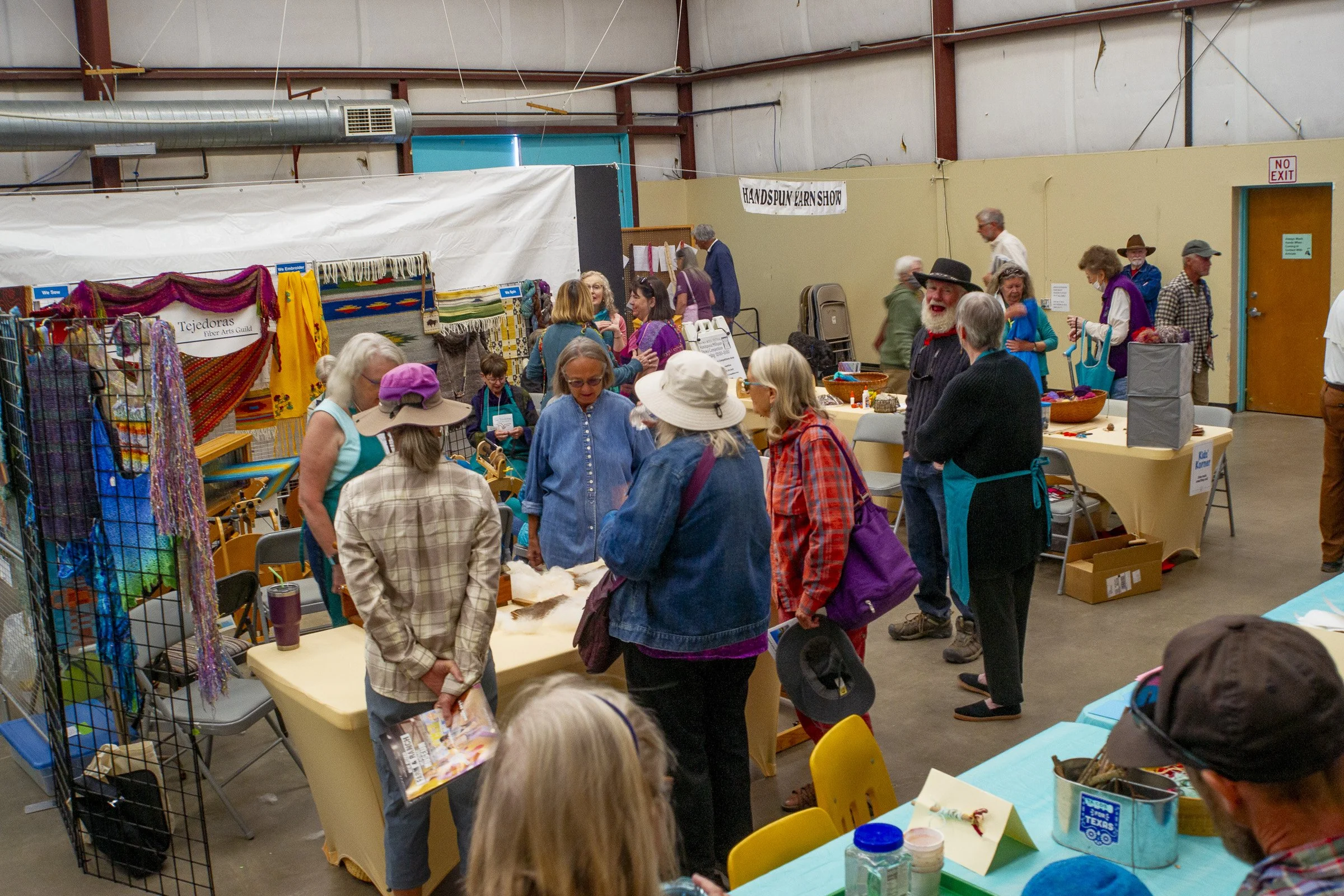
9:15-10:00am - First Look Around
This is the perfect time to walk through the festival without buying anything.
What you should do:
Walk the entire festival once without buying
Take photos of booth cards (you'll want vendor contact info later)
Notice what makes you curious
Don't feel pressured to talk to anyone yet
Let yourself be overwhelmed—that's normal
What you see:
Vendor booths in rows (layout varies, but there's organization)
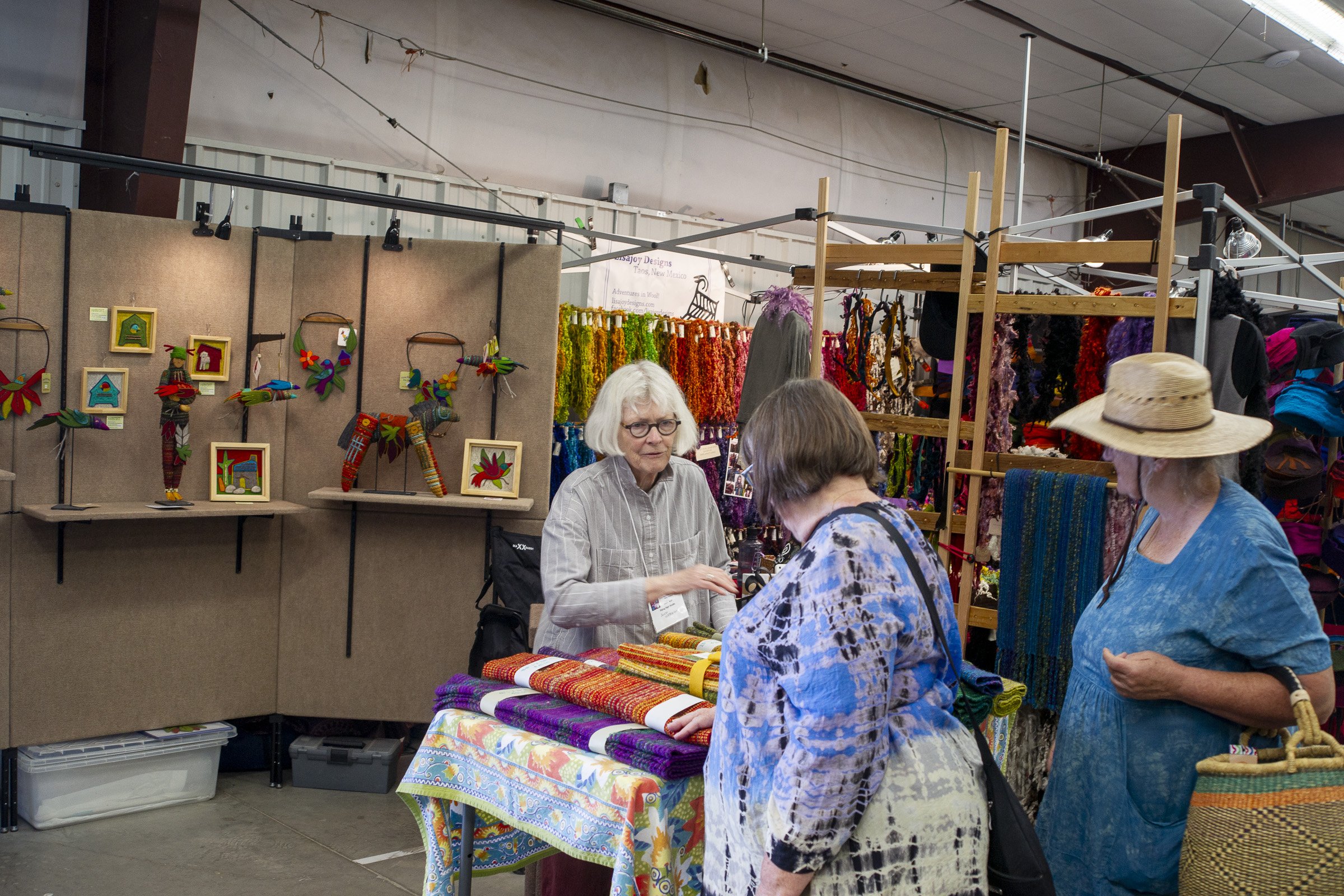
Tables laden with yarn, fiber, tools, finished goods
Signs describing what each vendor offers
Demonstrators setting up (spinners positioning wheels, weavers adjusting looms)
Other attendees starting to browse
What the vendor booths look like:
Beautiful displays of yarn (organized by color, fiber type, or project)
Raw fiber (looks like clouds or sheared wool)
Tools (spindles, hooks, needles, weaving looms)
Finished handmade goods (scarves, hats, blankets, woven pieces)
Business cards and information sheets
Vendors behind tables ready to talk
What you're thinking: "There's so much here. How will I ever see it all? Where do I even start?"
THE DEMONSTRATION HOUR: 10:00-11:00am
What Demonstrations Are
Demonstrations are people showing fiber arts in action while you watch and ask questions.
Typical Demonstrations:
Spinning (person using a spinning wheel or drop spindle to turn fiber into yarn)
Weaving (person working on a loom, showing how threads interlace)
Knitting or crochet (person creating a project, explaining techniques)
Felting (person showing how raw wool becomes felt)
Natural dyeing (person discussing or showing color process)
Fiber preparation (person carding or combing fiber for spinning)
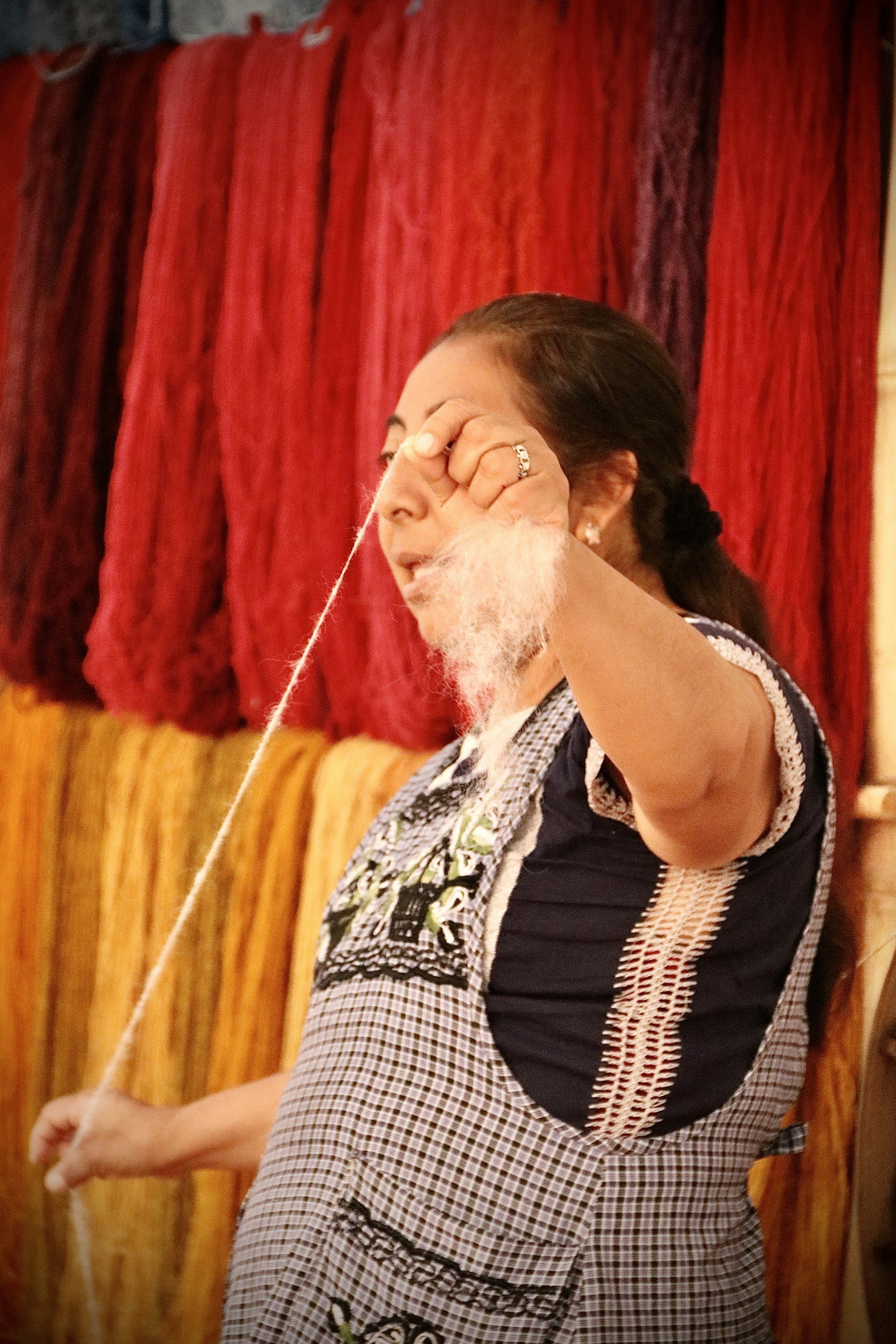
What a demonstration looks like:
A designated demo area with a chair/stool and good lighting
A small crowd watching (5-15 people, sometimes more)
A maker working slowly and explaining what they're doing
People asking questions ("How long does that take?" "What fiber is that?")
The maker happy to explain
No pressure to buy or commit
How long:
Usually 20-30 minutes per demonstration
Demonstrations repeat throughout the day
You can arrive anytime and watch for as long as you want
What you should do:
Watch at least one demonstration (even if you're uncomfortable)
Ask one question (any question is welcome)
Notice the skill and care involved
Realize: "Oh, I could actually learn this"
What you're thinking: "That looks really hard, but also really cool. I didn't realize how much skill goes into this."
MID-MORNING: 10:30am-12:00pm
The Browsing Phase
By now, you've walked through once and seen demonstrations. You're ready to engage more deeply.
What you're doing:
Learning about fiber
Making decisions about what interests you
Building relationships with vendors
Noticing what you actually like (versus what you think you should like)
What you're NOT doing:
Buying yet (you haven't seen everything)
Committing to anything
Feeling pressured (vendors are patient)
What you do:
Return to the vendors/booths that caught your eye
Spend 10-30 minutes at each booth
Touch the fiber (this is encouraged)
Ask questions
Have conversations
What conversations might look like:
You: "What fiber is this?"
Vendor: "This is alpaca from Colorado."
You: "What would you use it for?"
Vendor: "Perfect for soft sweaters. It's a good choice for something special."
You: "Thanks, I'll think about it"
What you're thinking: "I'm starting to understand what's here. This is interesting. I'm not overwhelmed anymore—I'm curious."
Peak Breakfast/Coffee Time: 10:30-11:30am
If the festival has food vendors:
Coffee and tea sales are high
Pastries/breakfast items available
Vendors doing light snacking
Some attendees taking breaks
Strategic note: Don't skip food. Low blood sugar leads to bad decisions (overspending or leaving early).
LUNCH TIME: 12:00-1:30pm
This is a Real Break
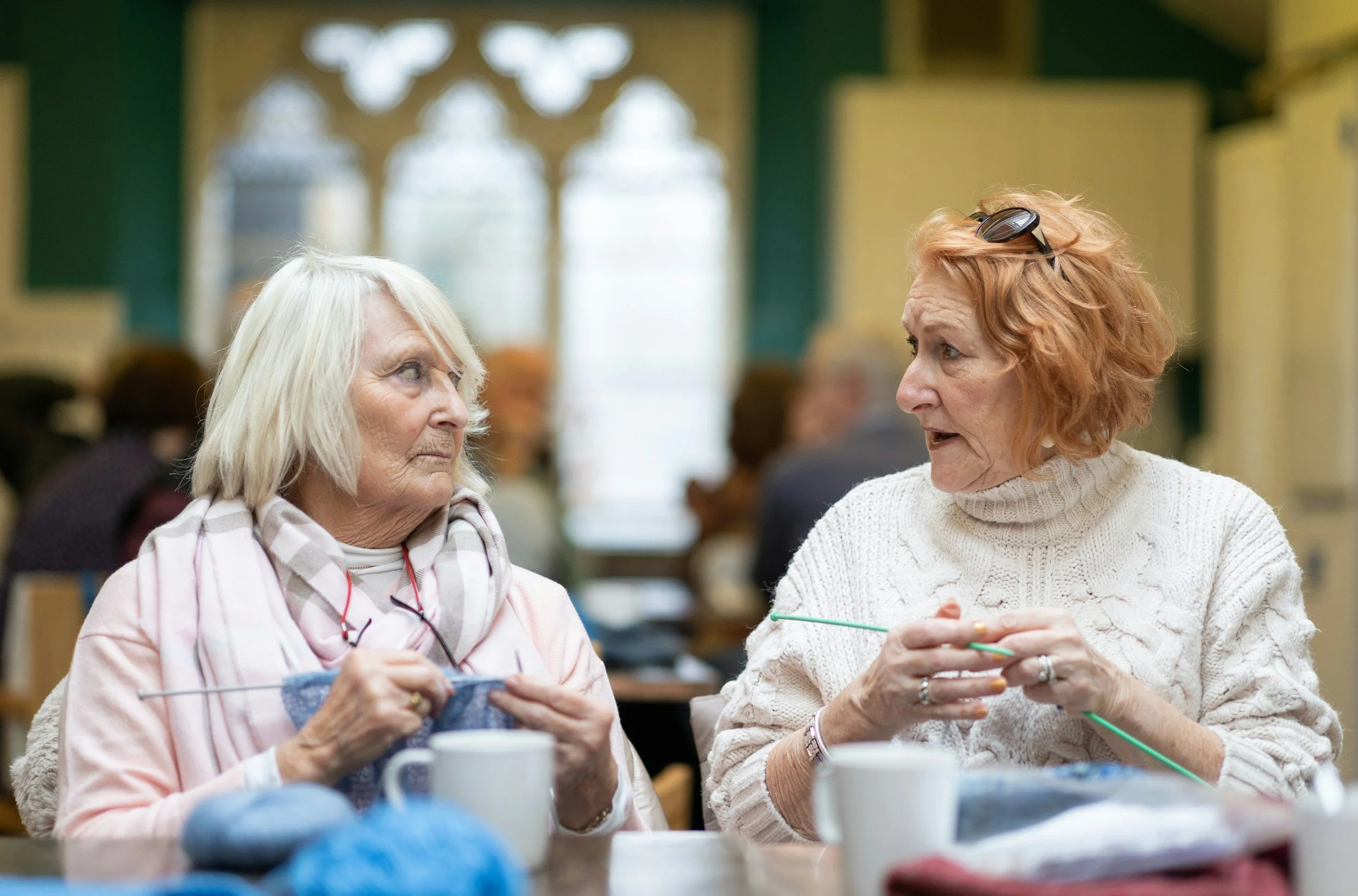
What happens:
Marketplace gets quieter (everyone's eating)
You should actually stop and eat
Your brain needs fuel for afternoon decisions
This is good time to journal/take notes if you want
Where you eat:
Festival food vendors (if available)
Outside the festival (restaurant nearby)
Packed lunch you brought
Your car (if you need quiet)
What you should do:
Sit down (don't eat while browsing)
Eat something substantial, not just candy
Drink water
If you feel tired, rest 15 minutes
Review your notes ("What vendors did I love? What did I want to ask?")
What you're thinking: "Okay, I've been here 3 hours. My feet might be tired. I'm processing a lot of information."
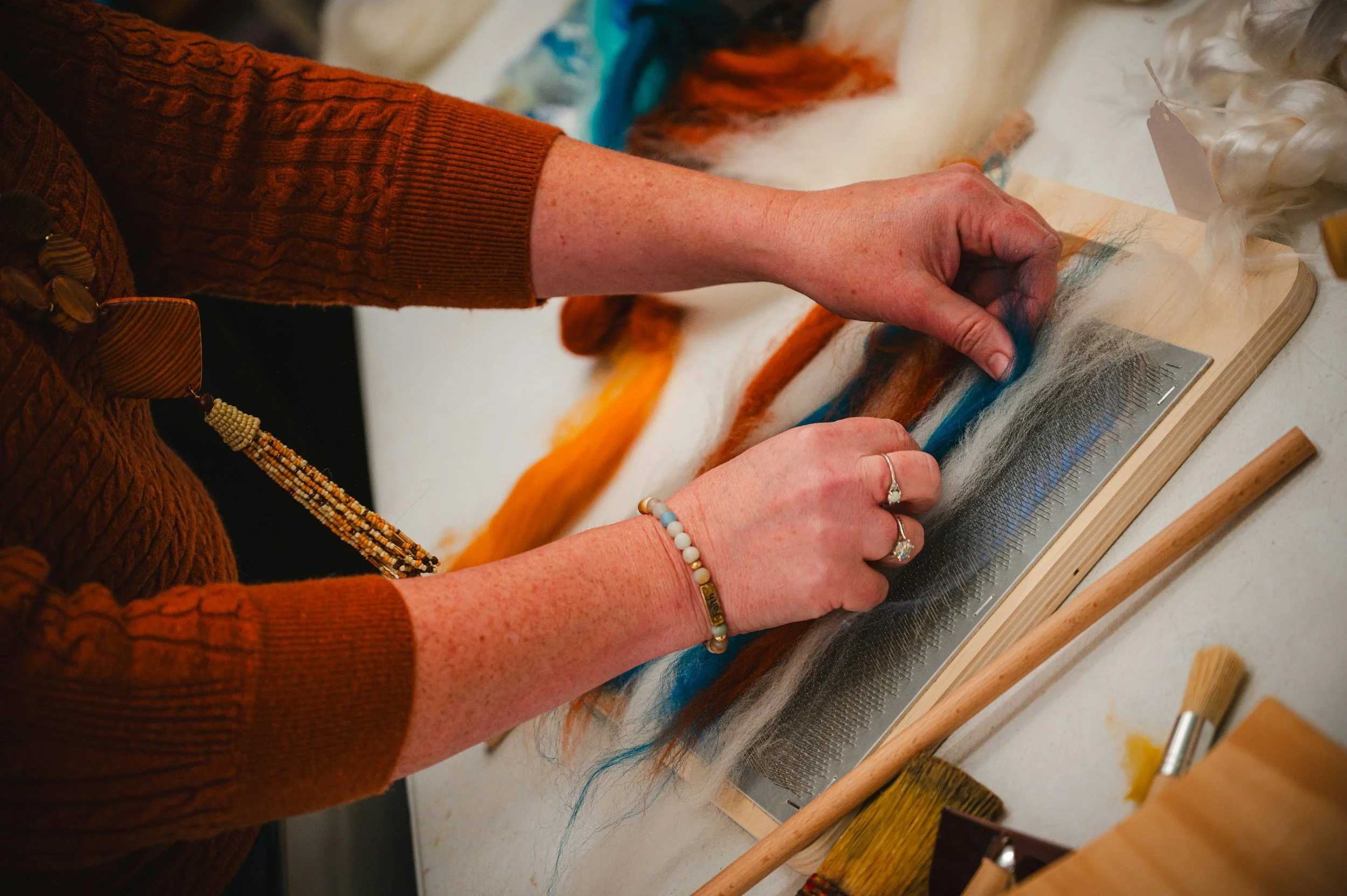
Optional Workshop Time: 12:00-1:30pm
If you registered for a midday workshop:
This is when it happens
You'll be in a small group (10-30 people, depending on workshop)
Instructor teaches for 45-90 minutes
You practice the technique
You ask questions
You feel inspired or realize this craft isn't for you
What a workshop feels like:
A little bit like school, but friendlier
Everyone is there voluntarily and interested
Mistakes are normal and encouraged
The instructor is patient
You learn something tangible
What you're thinking: "I'm trying something new. It's harder than I expected, but also kind of fun."
AFTERNOON MARKETPLACE: 1:30-3:30pm
Second Browsing Phase
You've eaten, rested, taken a workshop (maybe). Now you're back to browsing with fresh energy.
What changes:
You're more focused (you've had time to think)
You know what's available (you've seen it all)
You're ready to make decisions
Energy is still good (not yet tired)
What you do:
Return to your favorite booths
Have longer conversations with vendors
Ask more detailed questions
Maybe take a photo of something you love
Get vendor contact info for things you're considering
What conversations might sound like:
You: "I love this color. What would you recommend for a beginner sweater?"
Vendor: "This yarn is perfect for beginners. It's forgiving, not too expensive, and the color is gorgeous. Here's a pattern I recommend."
You: "Do you have more of this dye lot?"
Vendor: "Yes, this is batch 2024-14. If you want to order more later, that's what you'd ask for."
You: "Thank you for the recommendation. I'm going to think about it."
What you're thinking: "I'm learning so much. These people really know their stuff. I'm starting to see what I actually want to make."
Peak Marketplace Energy: 2:00-3:00pm
This is when the festival feels most alive:
Crowds are good-sized but not overwhelming
Energy is high but not frantic
Vendors are engaged and happy
Demonstrations are happening
People are buying and excited
You feel like you're part of something
LATE AFTERNOON: 3:30-4:30pm
Decision Time
If you're going to buy something, this is usually when it happens.
What you do:
Make intentional purchases (not impulse)
You've seen everything
You've had time to think
You're buying because you genuinely want these things
What purchases might look like:
One skein of yarn
Multiple skeins for a project
A tool (spinning spindle, crochet hook, weaving supplies)
A finished handmade item
Gift items
Or nothing (totally valid)
What you're thinking: "I know what I want. I'm excited about it. I'm ready to take it home and create something."
Winding Down Phase: 3:00-4:30pm
If the festival is still open but winding down:
Crowds are lighter
Some vendors might be packing up
Demonstrations might be finishing
Attendees are tiring
What you should do:
Take photos of any final items you want to remember
Get business cards from vendors you connected with
Thank any vendors for their time
Finish any last browsing
Respect that vendors might be packing up
What you're thinking: "I'm feeling the weight of being on my feet for 6+ hours. I'm processing what I've experienced."
CLOSING: 4:30-5:00pm (If Festival Runs Until 5pm)
What happens:
Final hour of the festival
Some vendors already packed
Energy shifts from "happening" to "ending"
Organizers thank everyone
People head out
What you do:
Leave when you feel ready (not obligated to stay until the end)
Take a final walk if you have energy
Or leave feeling satisfied with what you experienced
What you're thinking: "That was a lot. I need to process this. I'm tired. I feel like I experienced something meaningful."
WHAT NOT TO DO (Common Mistakes)
Don't:
Arrive right at opening (it's chaotic)
Buy everything in the first hour (you haven't seen it all)
Rush through every booth (take time at each)
Skip demonstrations (they're worth your time)
Forget to eat (low blood sugar = bad decisions)
Wear uncomfortable shoes (you'll regret this intensely)
Feel pressured to talk to everyone (introverts can attend comfortably)
Compare yourself to experienced fiber artists (you're all at different places)
Feel bad if you don't buy much (looking is valuable)
Stay longer than feels good (respect your energy)
Miss a demonstration because you're browsing (balance is key)
Assume vendors are pushy (they're not; they want you to take your time)
REALISTIC TIME BREAKDOWN
If Festival is 9am-5pm (8 hours total):
Realistic breakdown:
9:00-10:00am: Opening energy, initial walk
10:00-11:00am: Demonstrations, deeper browsing
11:00am-12:00pm: More browsing, conversations
12:00-1:00pm: Lunch
1:00-3:00pm: Marketplace browsing, second wave of workshops
3:00-4:00pm: Decisions, purchases, photo time
4:00-5:00pm: Winding down, final browsing
Expected energy level:
9-11am: HIGH (you're fresh, excited)
11am-1pm: MEDIUM (starting to tire, but good energy)
1-3pm: MEDIUM-HIGH (fed, rested, back at it)
3-5pm: MEDIUM (tired, but satisfied)
Most people leave between 3-4pm (8 hours is a full day).
If Festival is 10am-4pm (6 hours total):
This is more manageable:
10:00-10:30am: Initial walk
10:30am-12:00pm: Browsing and demonstrations
12:00-1:00pm: Lunch
1:00-3:30pm: More browsing, workshop if attending
3:30-4:00pm: Final decisions, leaving
Expected energy:
10-11am: HIGH
11am-1pm: MEDIUM
1-3:30pm: MEDIUM-HIGH
3:30-4pm: MEDIUM (tired but satisfied)
Most people are energized until the end with this schedule.
If You Only Have 2-3 Hours:
Totally valid. Strategy:
Know what you're most interested in
Head straight to those booths
Spend time there
Make one purchase if inspired
Leave satisfied
You don't need the whole day to have a meaningful experience.

SENSORY EXPECTATIONS
Physical Sensation:
Standing on your feet for hours (wear good shoes)
Touching different fiber textures
The weight of purchases if you carry them around
Shoulder tension from bags
General fatigue by late afternoon
Emotional:
Excitement (there's so much!)
Overwhelm (at first, this is normal)
Inspiration (seeing what's possible)
Community (being around fiber people)
Possibly some comparison/inadequacy (normal, it passes)
Ultimately: satisfaction and joy
Sounds:
General conversation buzz
Music (background, not loud)
Demonstrations (wheels spinning, weaving looms moving)
Kids (if applicable)
Not overwhelming, but active
Smells:
Yarn and fiber (neutral, sometimes pleasant)
Dye (if natural dyes are present—earthy, sometimes botanical)
People and general outdoor/indoor smell
Not unpleasant; just a place with activity
Sights:
Explosion of colors (especially yarn)
Organized booths
People of all ages working with fiber
Beautiful finished goods
Can feel overwhelming at first, then becomes exciting
WHAT MAKES IT DIFFERENT FROM SHOPPING
A fiber festival is NOT like going to a yarn store.
Yarn Store:
Predictable inventory
Consistent staff
Efficient shopping
Transaction-focused
You know what you're getting
Fiber Festival:
Surprise vendors
Meeting makers
Learning and discovery
Relationship-focused
You're exposed to things you didn't know existed
The festival is about experience, not efficiency.
COMMON FEELINGS THROUGHOUT THE DAY
9:00-10:00am: Excitement + Nervousness "I'm actually here. This is real. Where do I start?"
10:00-11:00am: Overwhelm + Curiosity "There's so much. I don't understand all of this. But I want to."
11:00am-12:00pm: Engagement + Confidence Building "I'm learning. I'm having good conversations. This is interesting."
12:00-1:00pm: Fatigue + Processing "My feet are tired. I need food. I'm processing a lot of information."
1:00-2:00pm: Restored Energy + Decisiveness "I'm back. I know what I'm looking for now."
2:00-3:00pm: Deep Engagement + Joy "I'm really enjoying this. I feel part of something."
3:00-4:00pm: Selective Engagement + Satisfaction "I've found what matters to me. I'm ready to make decisions."
4:00-5:00pm: Contentment + Readiness to Leave "I've had a good experience. I'm ready to process it."
All of these are completely normal.

THE AFTER-FESTIVAL MOMENT
When you leave the festival:
What you carry:
Purchases (yarn, fiber, tools, maybe finished items)
Business cards from vendors
Photos on your phone
Memories of conversations
Ideas for what you'll make
Sense of community
What you feel:
Tired (you've been on your feet for hours)
Excited (about what you brought home)
Inspired (by what you saw)
Part of something (fiber community)
Ready to create
What happens next:
You go home with your purchases
You don't immediately have to use them
You let yourself process the experience
Within a few days, you start planning what you'll make
You reach out to a vendor you connected with
You integrate the experience into your creative practice