
First Fiber Festival?
Here's What Beginners Actually Need to Know (No Experience Required)
You don't have to knit to attend a fiber arts festival. You don't have to own a single tool. You don't have to know the difference between worsted and woolen. You just have to be curious about how people make beautiful things with yarn, wool, and fiber.
If you're planning to attend the Mountain and Valley Fiber Arts Festival in Durango (October 3-4, 2026) and you've never been to a fiber event before, this guide addresses the questions you're probably actually asking—not just "what will you see," but "will I fit in?" and "will I feel stupid?"
The Truth About Fiber Festival People
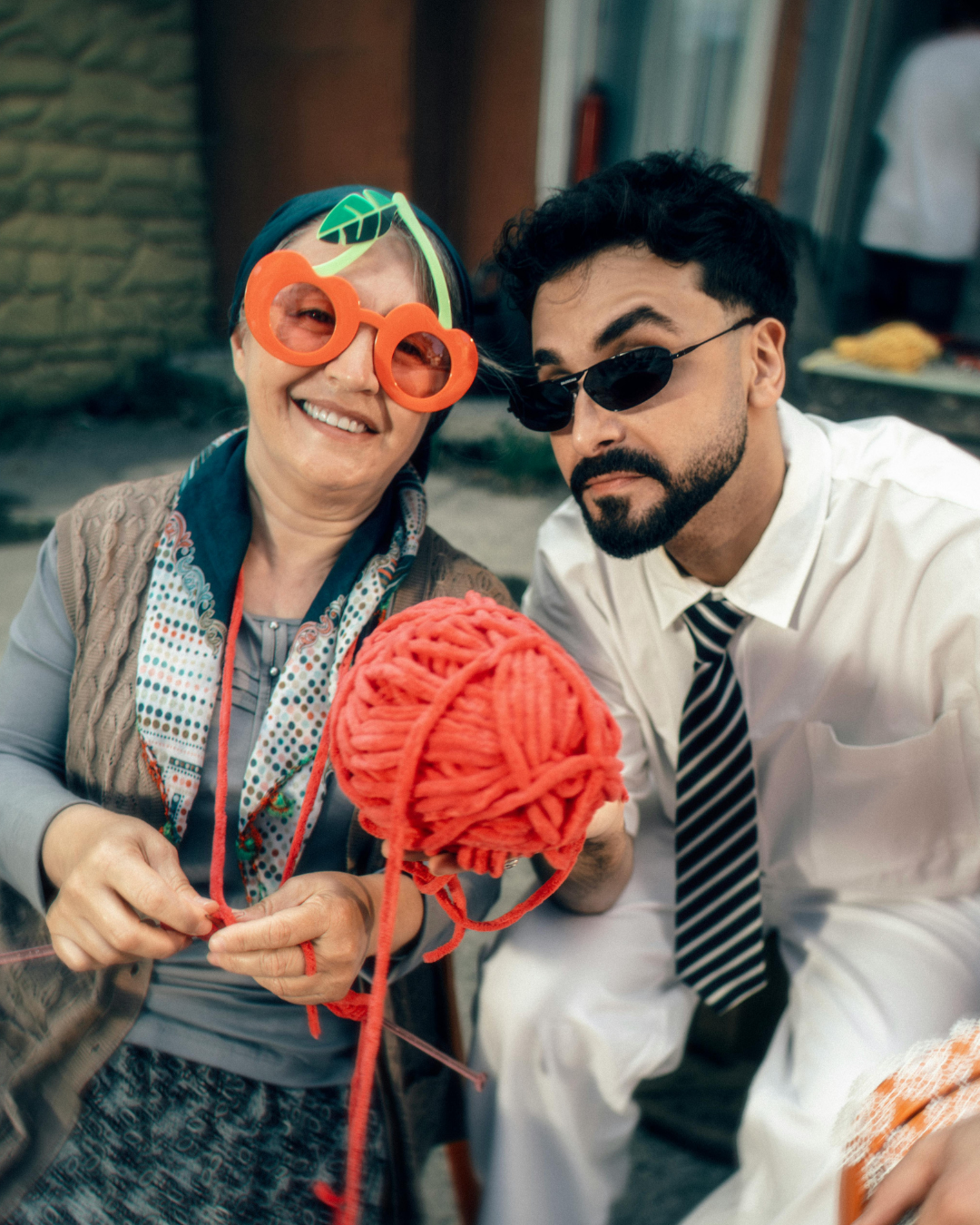
Fiber festivals attract people who remember learning their first stitch. They know what it feels like to be lost. They remember buying their first skein of yarn and wondering what to do with it.
This is important: Fiber people are almost universally kind to beginners. It's not because they're saints. It's because they remember being at your exact moment—standing in front of a vendor booth, terrified to ask questions.
You will not be judged. You will be encouraged.
What You'll Actually See (And What You Can Safely Ignore)
The Marketplace
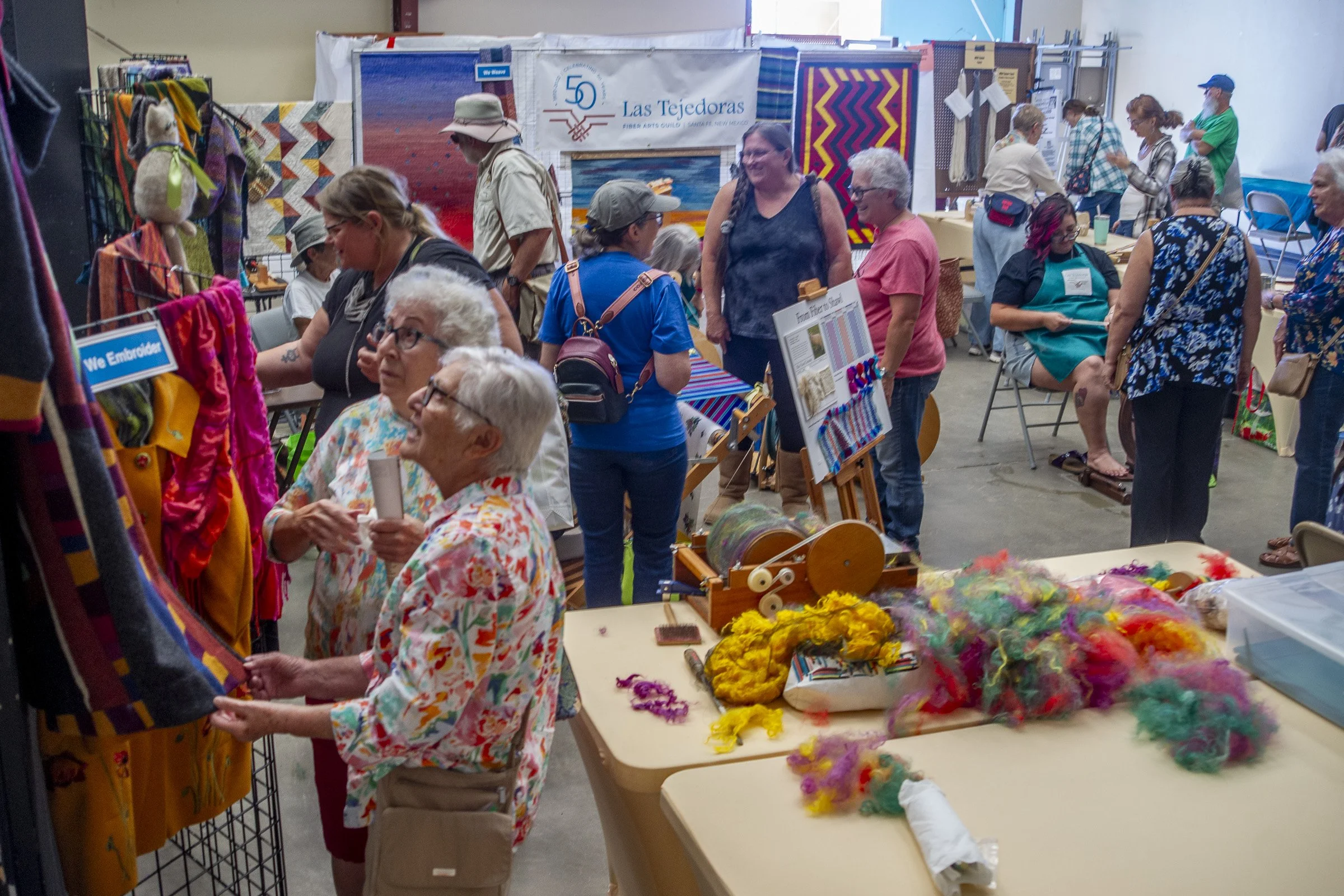
This is the part that can feel overwhelming. You'll see:
Hand-dyed yarn in colors you didn't know existed
Raw fleece (yes, actual sheep wool—it looks like clouds)
Spinning fiber prepared in different ways (batts, roving, locks)
Tools: spindles, drop spindles, spinning wheels, weaving looms, crochet hooks, knitting needles
Finished goods: scarves, hats, sweaters, blankets, woven textiles, felted pieces
Notions and supplies: patterns, books, dyes, natural fibers
Demonstrations and Workshops
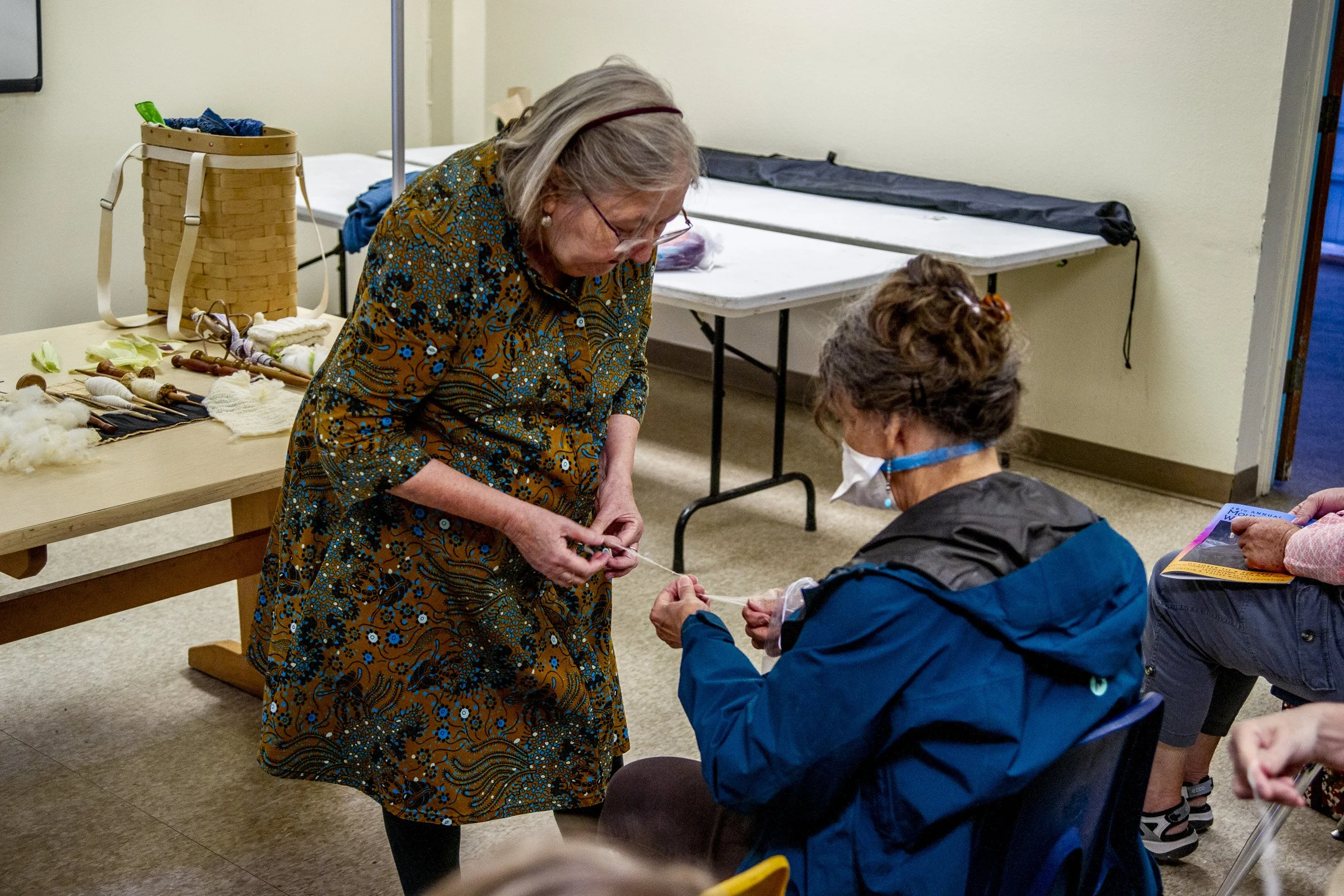
You'll see people showing fiber arts in action. Someone will be spinning fleece into yarn on a wheel. Someone else will be weaving. A dyer might be showing natural colors. A felter might be transforming wool before your eyes.
These are not performances. These are work sessions where people are happy to answer questions.
The People
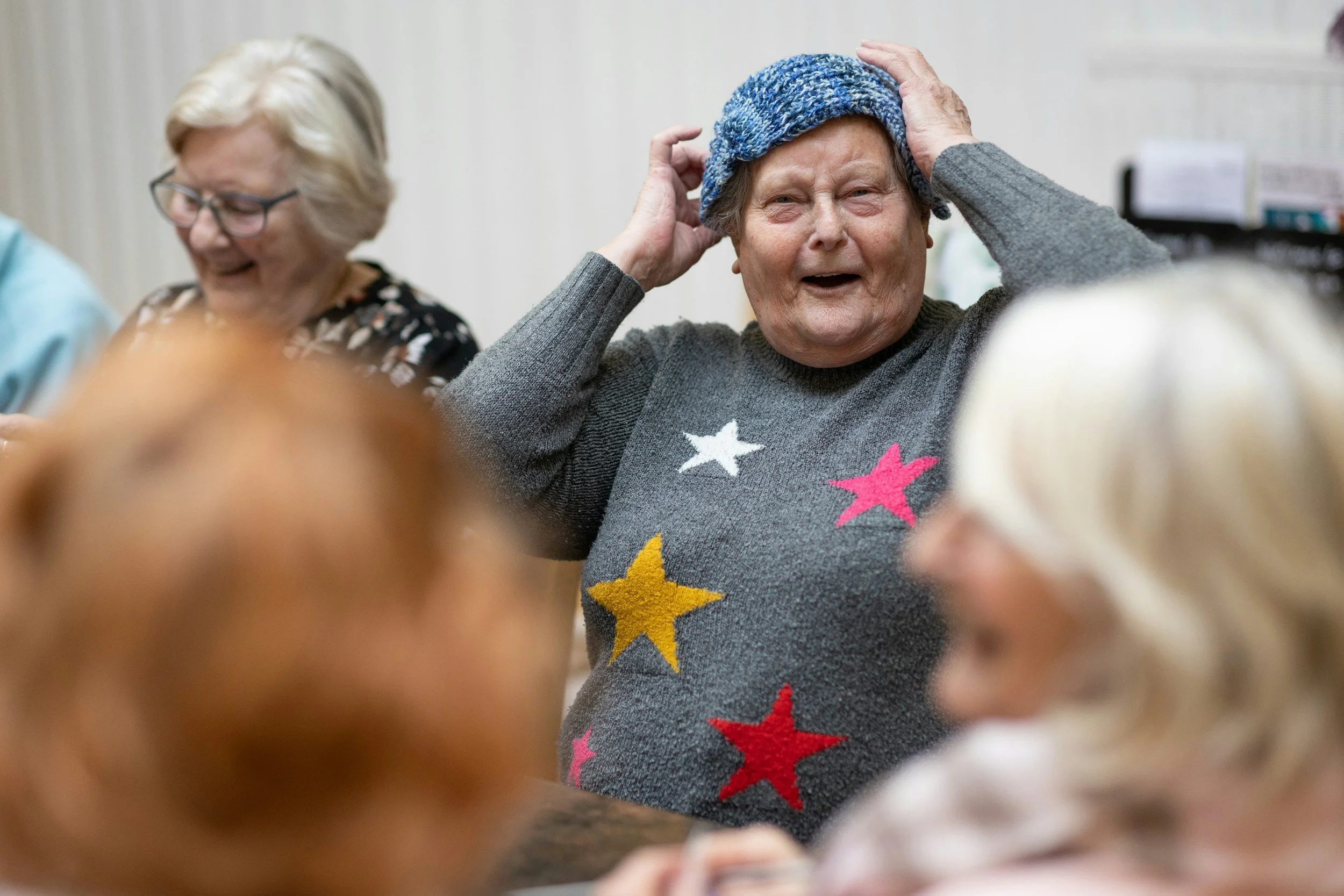
You'll notice:
Vendors who made or produced the things they're selling
Growers and ranchers who raise the animals whose fiber becomes yarn
Mill operators who process raw fiber
Teachers offering workshops
Other attendees—some serious fiber artists, some first-timers like you
Everyone is there because fiber matters to them. Conversely: no one cares about your experience level.
The Questions You're Actually Afraid to Ask (And the Answers)
"Will I look stupid if I ask what something is?" No. Fiber people love explaining fiber. Ask away. If you point to something and say "What is this for?" you've just made that person's day. Seriously.
"Do I have to buy anything?" Absolutely not. You can attend a fiber festival, watch demonstrations, take a workshop, talk to vendors, and buy nothing. People do this.
"What if I buy something and hate it?" Then you've spent money and learned something. Most fiber purchases are returnable with receipts, and worst case? You've got a skein of yarn that teaches you what you don't want. That's useful information.
"What if everyone knows each other and I feel left out?" Some attendees do know each other. Most don't. Fiber festivals are specifically designed for connection between strangers. If you're standing next to someone at a demonstration, saying "Have you done this before?" is a completely normal way to start a conversation.
"Do I need to dress a certain way?" Wear comfortable shoes. Wear layers (fiber festivals are tactile—people move around a lot, and temperature varies). Wear something you like. No one cares if you're in jeans and a sweater or dressed up. Dress for yourself.
"What if I don't like yarn and I leave early?" That's fine. Fiber festivals don't require commitment. You can stay for 20 minutes or 8 hours. You're in control of your time.
Before You Go: The Beginner's Actual Preparation
Do This:
Choose one reason you're going. Are you curious about knitting? Want to see how yarn is made? Looking for something handmade to give as a gift? Just want to get out of the house? Pick one. It focuses your energy.
Decide on a budget (see section below). Knowing how much money you plan to spend prevents panic-buying.
Wear comfortable shoes. This matters more than anything else. You'll be standing and walking for hours.
Bring a reusable bag. Festival vendors will put purchases in it, and you'll feel less self-conscious about buying things if you've planned for it.
Leave your phone expectations at home. Some vendor booths ask not to be photographed. Respect it. Otherwise, phones are fine—take photos of business cards, booth information, and things you want to remember.
Don't Do This:
Don't prepare by watching YouTube tutorials for 3 hours. You'll be overwhelmed.
Don't go with a specific yarn in mind (unless you're replacing something you've used up). The joy of a festival is discovery.
Don't wear clothes that restrict movement. You'll want to handle materials.
Don't commit to being at specific events on a schedule (unless you've registered for a paid workshop). Keep your day loose.
During the Festival: What Actually Happens
First 30 Minutes: Walk Without Buying Walk the entire festival once. Don't buy anything yet. Just notice where vendors are, what draws your eye, and what makes you curious. Take photos of booth cards if you find something interesting. This prevents decision fatigue later.
Next Hour: Return to Favorites Go back to the booths or demonstrations that stuck with you. Watch for 10 minutes. Ask one question. Listen to the answer. Repeat at 2-3 booths.
Middle Hours: Decide What Matters By now, you've had exposure. You might:
Take a workshop or watch a demonstration (these fill time and teach you something real)
Talk to vendors about their specific work
Look at finished pieces and notice what catches your eye
Handle different materials and compare textures
Final Hours: Buy With Intention If you've decided to buy something, you now know what you're getting. You've had time to think. You've touched materials. You're not impulse-buying in the last 20 minutes.
What Actual Beginners Wish They'd Known
"I wish I'd known it was okay to ask 'What would I use this for?' That question seemed stupid, but vendors answered it like I'd asked something profound." — First-time attendee
"I thought everyone would be a knitter. I didn't know there were weaving people, spinning people, felting people. That helped me understand there are so many different ways to make things with fiber." — Beginner
"The most helpful thing was watching someone demonstrate. It made fiber feel like something I could actually do, not just something other people made." — Anxious first-timer
"I bought something expensive and worried I'd hate it. Turns out it's my favorite thing I own. But I wish I'd asked more questions before buying instead of after." — Learner
The Real Reason to Go as a Beginner
Fiber festivals are better than online learning for beginners because you get:
Permission to touch everything (you can't do this on Instagram)
Real answers to questions you didn't know to ask (a vendor showing you why one yarn pools and another doesn't teaches you more than 10 blog posts)
Access to people who remember being beginners (they're patient, they're encouraging, they explain things multiple ways)
Exposure to process, not just product (you see how fiber moves through your hands, how tools work, why materials matter)
You're not going to a fiber festival to become an expert. You're going to a fiber festival to fall in love with something you might make.
After the Festival: What Next?
You'll go home with:
Maybe some yarn or fiber
A business card or two from vendors you liked
Photos of things that caught your attention
Ideas about what you might try
Next step: Don't let it disappear. Within a week, do one of these:
Buy or borrow needles/hooks and start with the yarn
Research one of the vendors you met
Join a local fiber group (most towns have them)
Watch one tutorial on the craft that interested you
Tell someone else about something cool you learned
The festival isn't the endpoint. It's the spark. What you do next is where the real journey begins.